Step 1 · Your route
Which Camino are you
walking this year?
Pick it below. We read off the countries it crosses and show you the eSIMs that cover the whole thing — not the ones that cover half of it.
- 0
- routes mapped
- 0
- countries
- 0
- plans in stock
Choose a route to unlock the plans.
Choose a route to see the eSIMs
We are not going to show you a wall of plans for "somewhere in Spain". A Francés from Saint-Jean needs France as well; a Portugués needs Portugal. Pick the route above and the list fills itself in.
In plain English
So how does an eSIM
actually work?
There is no card, no tray and no paperclip. The chip is already inside your phone — buying a plan just writes a new set of details onto it. That is the whole idea.
Does my phone support it? Check in ten seconds01
The chip is already in there
Soldered to the mainboard at the factory, on every phone since roughly 2019. You have been carrying one for years without using it — nothing to post, nothing to lose in a hostel.
02
The QR writes the plan onto it
What lands in your inbox is not a SIM. It is a small file called a profile, and the QR code is the address it lives at. Scan it at home on your own wifi and the phone fetches it.
03
It wakes up when you land
Switch the line on in Spain and the phone joins a Spanish network like a local one. That first connection is when the days start counting — not when you paid, not when you installed it.
How it works
No shop, no plastic, no airport kiosk
Three things happen, and two of them happen before you leave home.
-
01
Pick the route, not the country
A Francés starting in Saint-Jean needs France and Spain. An Inglés needs five days, not thirty. The picker above does that arithmetic for you.
-
02
Filter by days, not by gigabytes
Pick the band your walk falls into, say whether you want the data capped or unlimited, and every card tells you which countries it reaches. Everything else is noise.
-
03
Scan at home, switch on when you land
The activation code is emailed within minutes. Install it on your own wifi; the plan only starts counting when the eSIM first connects in Spain or Portugal.
Spain + France eSIM
30 days · 10 GB
Activation code
LPA:1$rsp.example$AB-12-CD
ICCID
8934071100012345678
Sent to your inbox and kept on your order page, so you can pull it up again from a bunk bed in Rabanal.
The honest bit
What we won't pretend
Spanish and Portuguese networks are good. They are not magic. Between the villages on the Meseta, on the high stages of the Primitivo and along parts of the Norte's cliff paths, your phone will drop to one bar or none — on any network, on any SIM, ours included.
That is a reason to buy a plan sized for your days rather than a headline number of gigabytes, and to download tomorrow's stage tonight. It is not a reason to pay for “unlimited”.
More about how we work- Data only, so you keep your number
- Your own SIM stays in the phone for calls and bank codes. The eSIM carries the internet. Two lines, one handset.
- Sized by days, not by hype
- A 33-day Francés wants thirty days of modest data. A 5-day Inglés wants a week of anything. The day bands above are built around exactly that.
- Nothing renews itself
- Prepaid means prepaid. When the days run out the plan stops, and no card is charged again.
- Delivered before you fly
- The activation code is generated automatically after payment. Install it at home; there is no counter to queue at.
Routes
Every Camino, with the coverage it needs
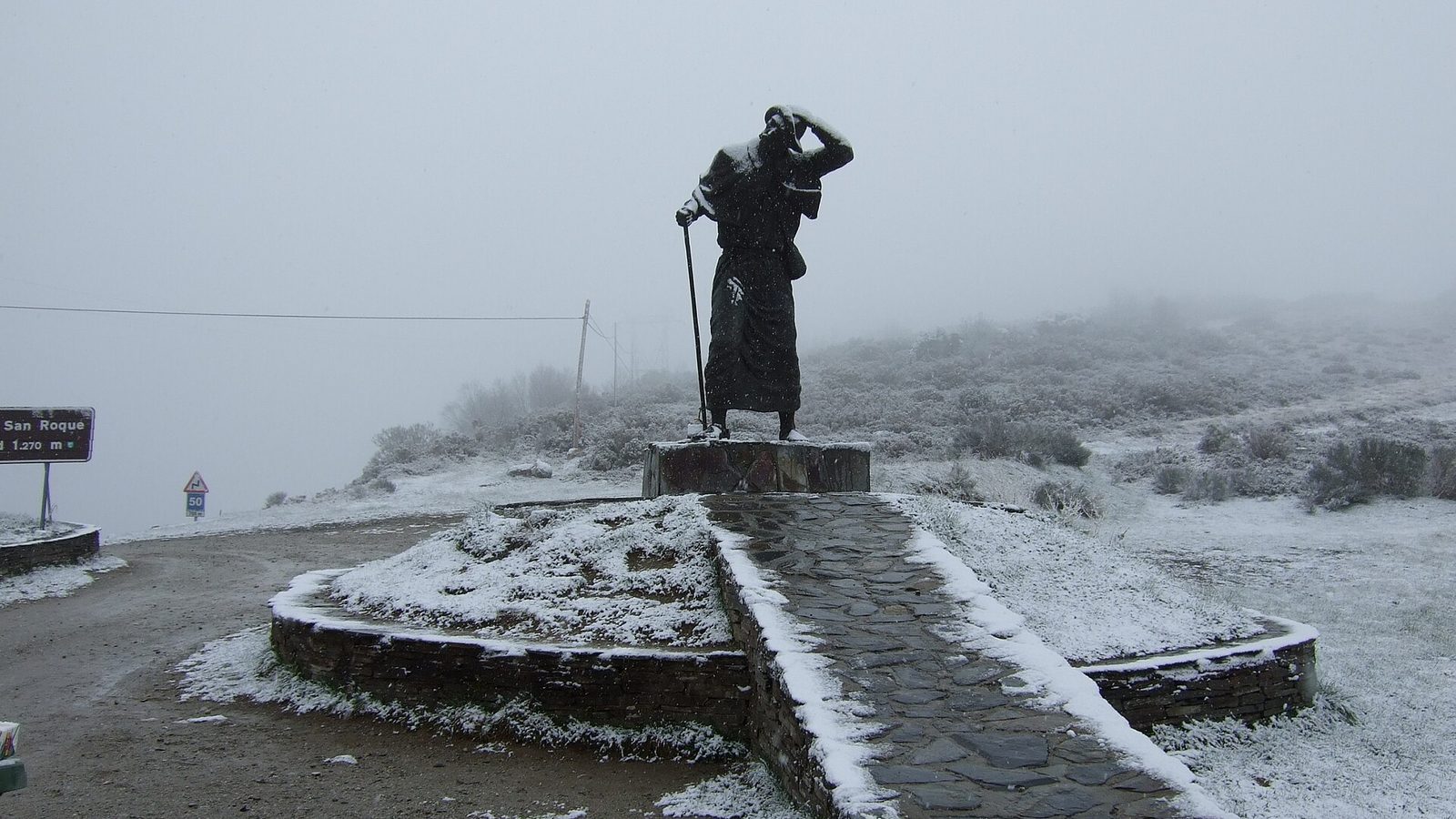 ESP + FRA
Camino Francés
764 km · 33 days
Distance, stages and the coverage it needs →
ESP + FRA
Camino Francés
764 km · 33 days
Distance, stages and the coverage it needs →
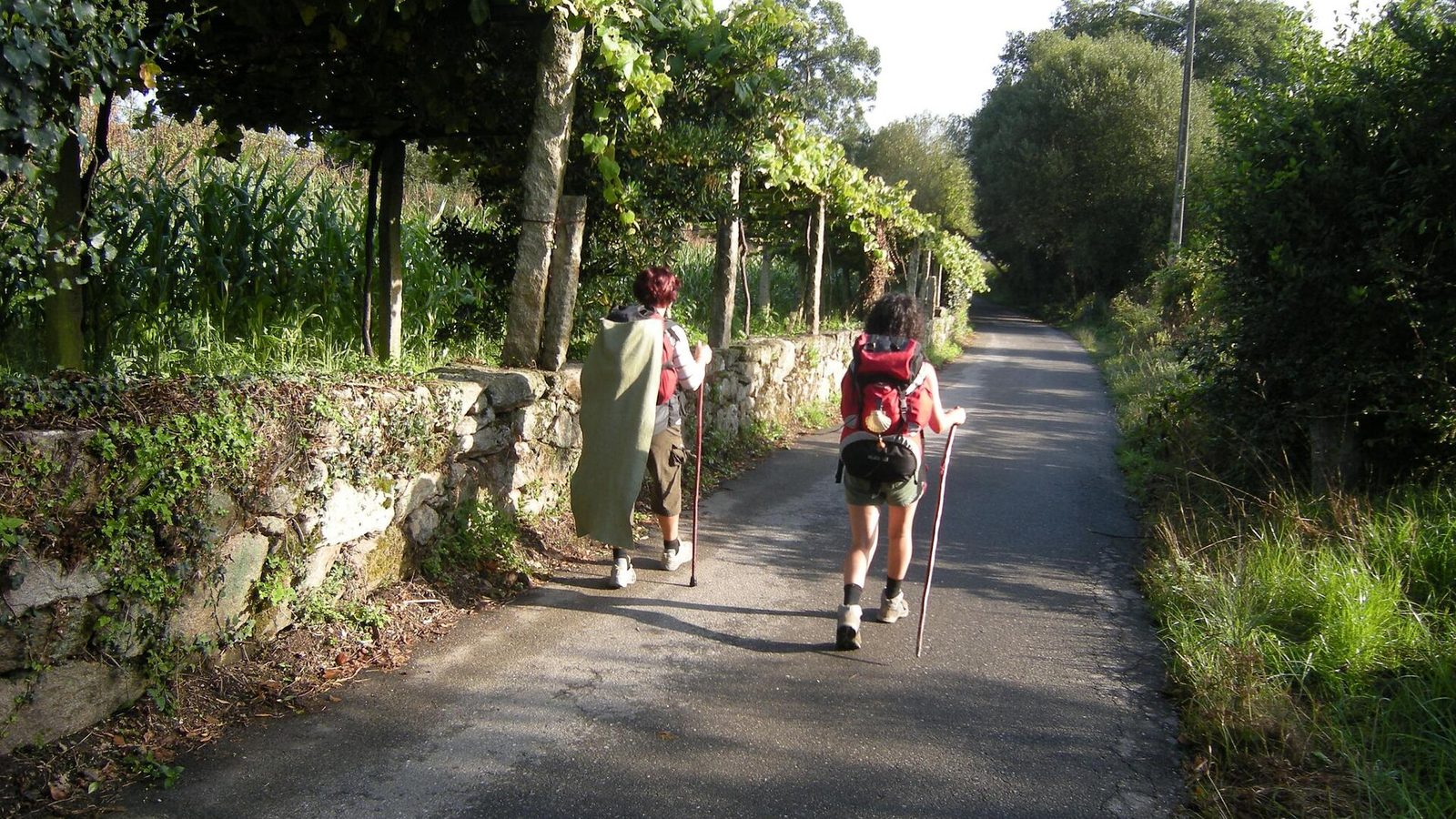 PRT + ESP
Camino Portugués
620 km · 26 days
Distance, stages and the coverage it needs →
PRT + ESP
Camino Portugués
620 km · 26 days
Distance, stages and the coverage it needs →
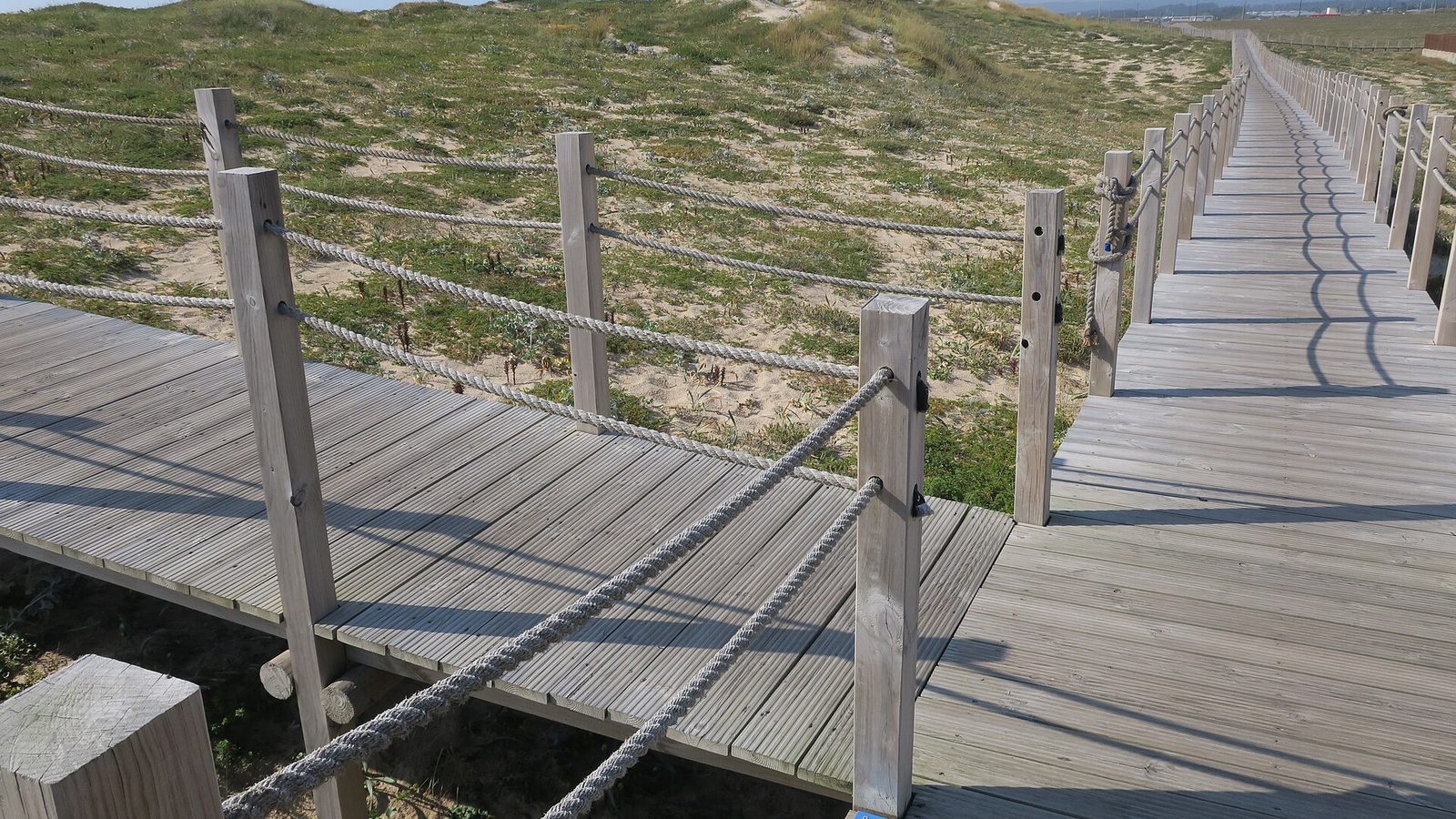 PRT + ESP
Camino Portugués Coastal
280 km · 12 days
Distance, stages and the coverage it needs →
PRT + ESP
Camino Portugués Coastal
280 km · 12 days
Distance, stages and the coverage it needs →
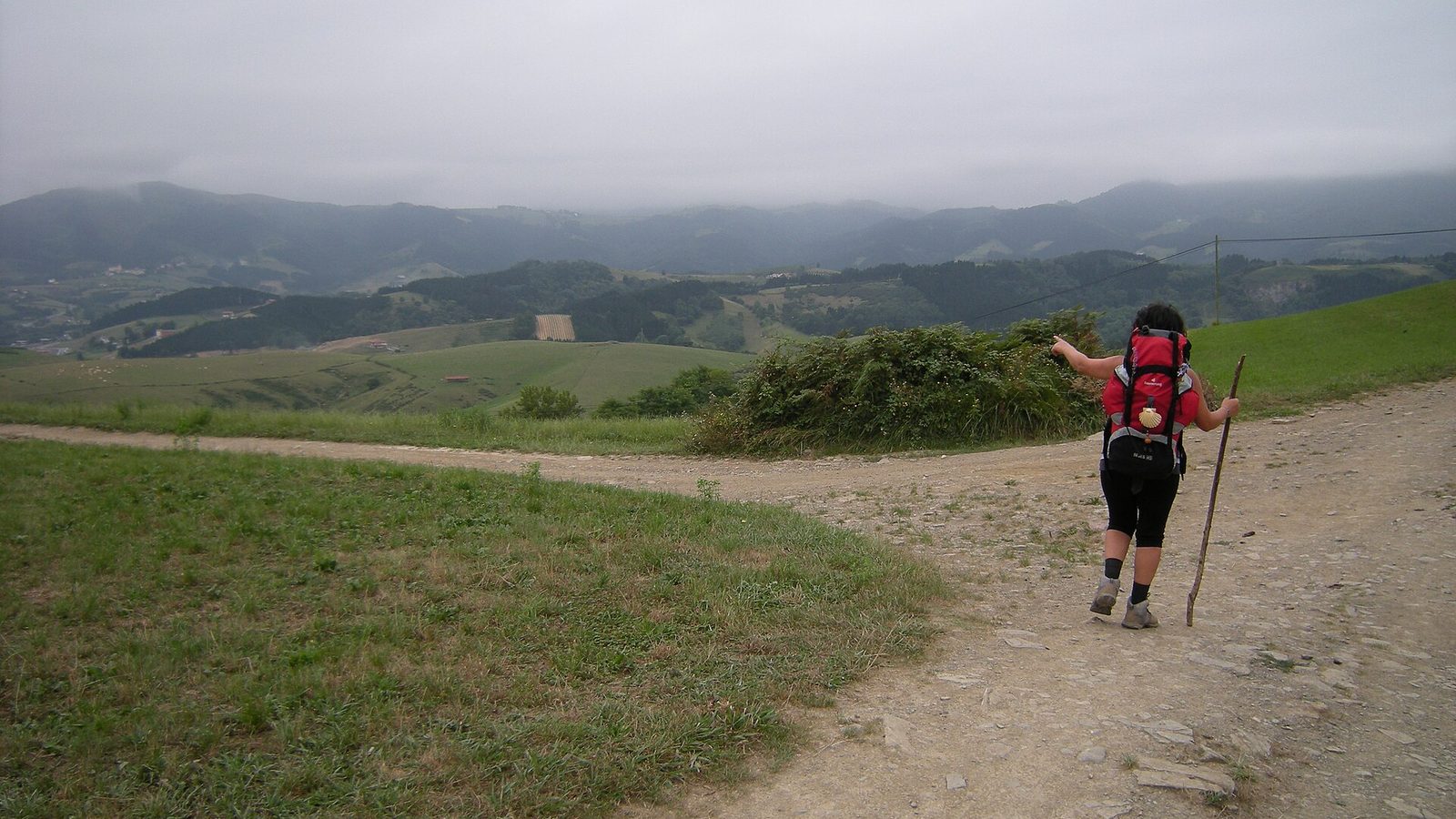 ESP
Camino del Norte
824 km · 34 days
Distance, stages and the coverage it needs →
ESP
Camino del Norte
824 km · 34 days
Distance, stages and the coverage it needs →
Photos: Marathoni62 (CC BY-SA 3.0) , José Antonio Gil Martínez from Vigo, Spain (CC BY 2.0) , PedroPVZ (CC BY-SA 4.0) , José Antonio Gil Martínez from Vigo, Spain (CC BY 2.0) · via Wikimedia Commons
Trail notes
Things we learned the slow way
 Coverage
Where the Meseta eats your signal
Between Burgos and León the Camino Francés goes very quiet — and so does your phone. Here is roughly wher... Marta · 5 min read How to
Install it at home. Switch it on in Spain.
The single most common support email we get is from someone who activated their eSIM three weeks early. H... Tamás · 3 min read Data
Data
What 1 GB actually buys you out there
Pilgrims massively overestimate how much data they need — right up until someone in the group starts vide... Marta · 4 min readPhotos: Wikimedia Commons contributor (CC0) , Simon Burchell (CC BY-SA 4.0) , José Antonio Gil Martínez from Vigo, Spain (CC BY 2.0) · via Wikimedia Commons
FAQ
Before you set off
Almost every phone released since 2019 does — iPhone XS and newer, recent Pixels, Samsung Galaxy S20 and newer. Look in Settings for an "Add eSIM" or "Add mobile plan" option; if it is there, you are fine. Phones bought on a carrier contract are occasionally locked, which is worth checking before you fly rather than after.
When the eSIM first connects to a network in Spain, Portugal or France — not when you buy it and not when you install it. Install it at home the week before, leave the line switched off, and enable it when you land.
Pick your route in the finder and the catalogue filters itself down to plans that cover every country the route crosses. A Camino Francés starting in Saint-Jean needs France as well as Spain; a Portugués needs Portugal as well as Spain. That is the arithmetic the finder does for you.
Yes. These are data-only eSIMs, so your usual SIM stays active for calls, texts and bank verification codes. Turn mobile data off on your home line and on for the eSIM, and you will not pay a cent of roaming.
No, and nobody selling you a SIM can honestly promise otherwise. Spanish and Portuguese networks are good in towns and along main valleys. Between villages on the Meseta, on the high stages of the Primitivo and along parts of the Norte you will drop to one bar or none — on any network, on any SIM, ours included.
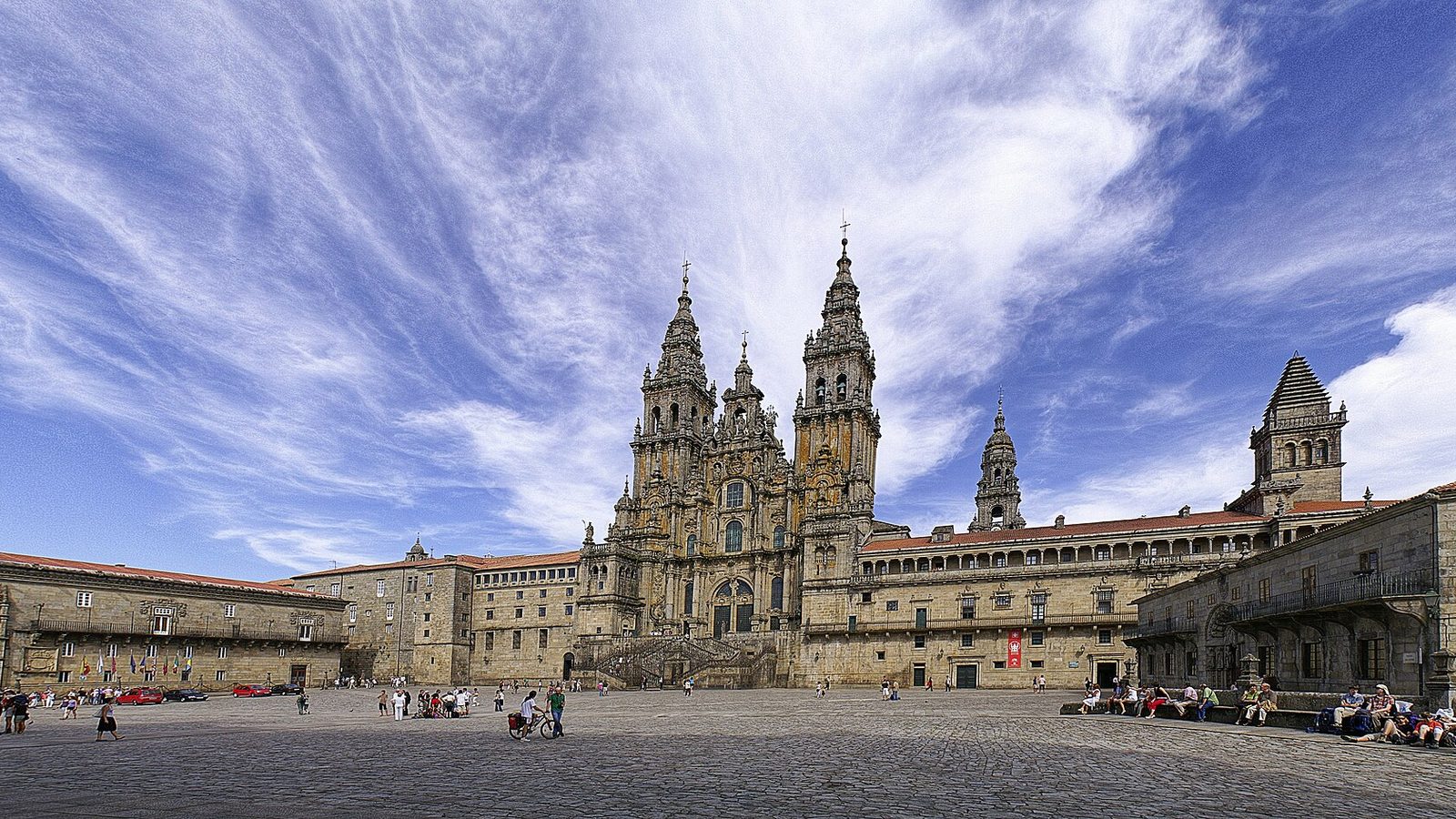
Buen Camino. Y buena cobertura.
Scroll back up, choose your route, and be connected before the first stage.
Photo: Pedro J Pacheco · CC BY-SA 3.0 ES · via Wikimedia Commons